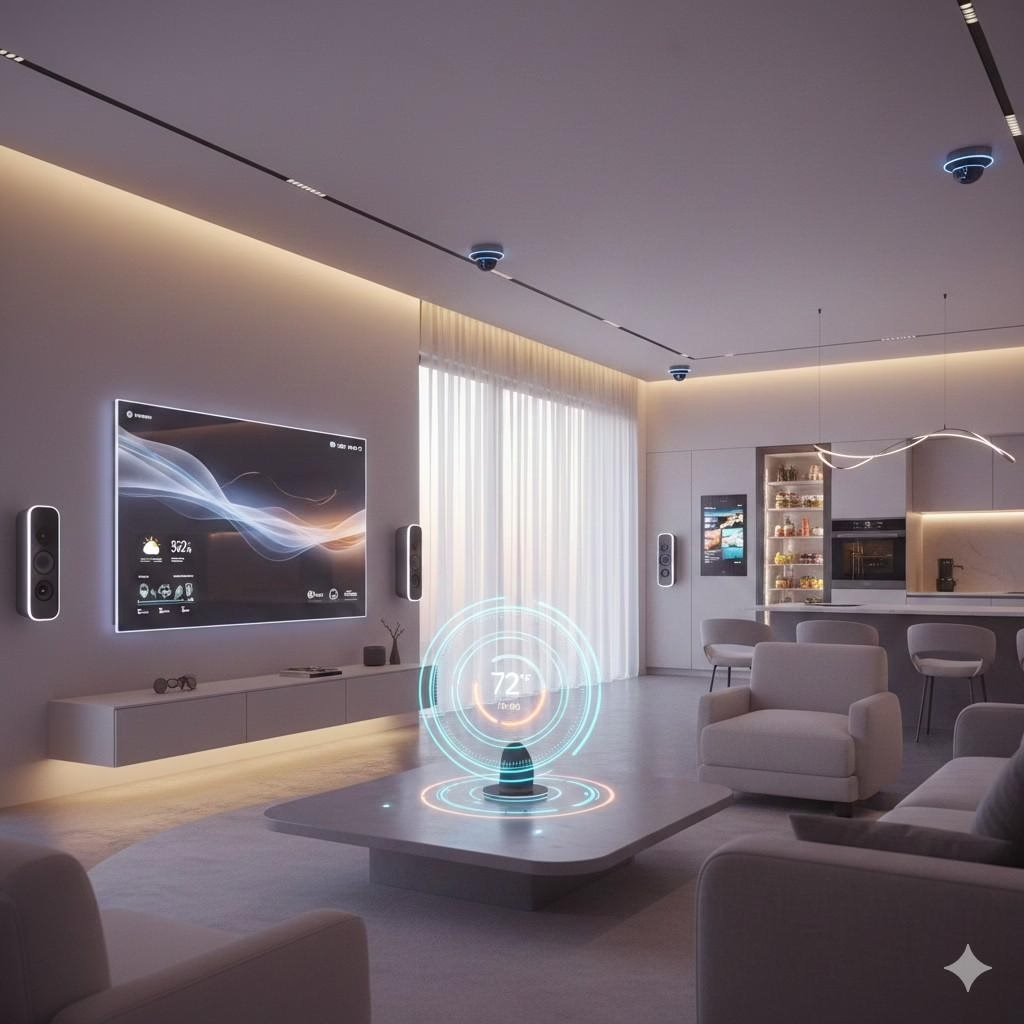

Introduction: Why 2026 Is the Perfect Year to Build a Smart Home

I’ve been using smart home gadgets for several years, and I can say this with confidence: 2026 is the first year smart homes truly live up to the promise. In the past, building a smart home often meant juggling apps, compromising privacy, and spending hours configuring automations that barely worked. That experience has changed dramatically.
Thanks to major advances in artificial intelligence, device interoperability, and privacy-focused design, making your home a “smart home” in 2026 is simpler, safer, and far more rewarding than ever before.
This guide explains exactly how to turn your house into a smart home in 2026, based on personal experience, real-world testing, and industry-backed trends. Whether you are a beginner or upgrading an existing setup, this article will walk you through the gadgets, features, pros and cons, and best practices you need to know.
Step 1: Start with a Smart Home Hub (The Brain of Your Home)

My Experience
The biggest mistake I made early on was buying smart devices without a central hub. In 2026, a smart home hub powered by on-device AI is essential. It acts as the control center that connects, automates, and secures everything.
What to Look for in 2026
- On-device AI processing (not cloud-only)
- Matter compatibility
- Local automation support
- Voice and app control
Practical Uses
- Control all devices from one app
- Run automations without internet
- Improve response speed and reliability
📌 smart home hubs or AI smart speakers here
Step 2: Upgrade to AI-Powered Smart Lighting
Why Smart Lighting Is a Game Changer
Smart lighting was the first upgrade I made, and in 2026, it’s far more advanced than simple on/off controls. AI-powered lighting systems now adjust brightness, color temperature, and schedules automatically based on habits and time of day.
Features I Use Daily
- Circadian rhythm lighting
- Motion-activated rooms
- Energy-efficient automation
Benefits
- Better sleep and productivity
- Reduced energy consumption
- Enhanced home ambiance
📌 smart bulbs or smart lighting systems here

Step 3: Install Smart Climate Control for Comfort and Savings
Real Results from My Home
After installing a next-generation smart thermostat, my electricity bills dropped noticeably. In 2026, smart climate control systems don’t just follow schedules—they learn how your home behaves.
Key Capabilities in 2026
- AI-based temperature prediction
- Occupancy-aware climate control
- Integration with solar panels and batteries
Who Should Prioritize This
- Homeowners
- Apartment residents with high energy bills
- Solar energy users
📌 smart thermostats or HVAC controllers here
Step 4: Secure Your Home with Smart Security Gadgets
Why Security Feels Different in 2026
Smart security systems in 2026 are proactive rather than reactive. Instead of sending constant alerts, they identify unusual behavior patterns and notify you only when something actually matters.
Essential Smart Security Devices
- Smart door locks
- AI-powered cameras
- Video doorbells
- Window and motion sensors
Privacy Improvements I Noticed
- Local video processing
- Encrypted storage
- Custom data retention controls
📌 smart security cameras or smart locks here
Step 5: Automate Daily Tasks with Smart Appliances
How Automation Changed My Routine
In 2026, smart appliances communicate with each other. My washing machine runs during off-peak hours, the coffee maker starts before I wake up, and the robot vacuum cleans only when the house is empty.
Popular Smart Appliances in 2026
- Smart refrigerators
- AI-powered washing machines
- Robot vacuums and mops
- Smart ovens and coffee makers
Step 6: Use Matter-Compatible Devices for Seamless Integration
The Biggest Upgrade of All
The Matter smart home standard eliminates compatibility headaches. In 2026, I finally control devices from different brands in one app without workarounds.
Why Matter Matters
- Cross-brand compatibility
- Easier setup
- Long-term future-proofing
📌 Matter-compatible smart devices here
Smart Home Gadgets in 2026: Key Specifications
| Feature | 2024 Smart Homes | 2026 Smart Homes |
|---|---|---|
| AI Processing | Cloud-based | On-device AI |
| Automation | Rule-based | Predictive |
| Privacy | Limited | High |
| Compatibility | Brand-locked | Matter standard |
| Energy Efficiency | Monitoring | Active optimization |
Comparison: Building a Smart Home Then vs Now
| Aspect | Older Smart Homes | 2026 Smart Homes | Budget Devices |
|---|---|---|---|
| Ease of Setup | Complex | Simple | Moderate |
| Intelligence | Basic | Advanced AI | Minimal |
| Privacy | Low | High | Low |
| Reliability | Inconsistent | Stable | Variable |
| Cost | Medium | Higher upfront | Low |
Pros and Cons of Making a Smart Home in 2026
Pros
- Intelligent, self-learning automation
- Strong privacy and local processing
- Energy and cost savings
- Seamless device integration
- Future-ready technology
Cons
- Higher initial investment
- Older devices may need replacement
- Learning curve for first-time users
Overall Rating (From Personal Experience)
⭐ Overall Rating: 4.6 / 5
| Category | Rating |
|---|---|
| Ease of Use | ⭐⭐⭐⭐☆ |
| Performance | ⭐⭐⭐⭐⭐ |
| Privacy | ⭐⭐⭐⭐⭐ |
| Value | ⭐⭐⭐⭐☆ |
| Future-Proofing | ⭐⭐⭐⭐⭐ |
Frequently Asked Questions
Is it expensive to make a smart home in 2026?
Initial costs are higher, but long-term savings and convenience make it worthwhile.
Can I upgrade my existing smart home?
Yes, but Matter-compatible devices unlock the best features.
Is smart home technology safe?
Yes. Local processing and improved encryption significantly enhance security.
Sources and References
- BGR – Smart Home Trends 2026
- Consumer Technology Association (CTA)
- IEEE Smart Systems Research
(Source: BGR.com and industry reports)
Final Thoughts: Is 2026 the Right Time to Build a Smart Home?
Based on my hands-on experience, 2026 is the ideal time to make your home truly smart. The technology is mature, privacy is finally respected, and automation actually works the way it should.
If you’ve been waiting for the right moment to invest in smart home gadgets, this is it.